
Deciding how to fill a gap in the mouth is rarely a quick decision. Most people spend weeks reading, asking friends, and weighing up whether surgery is worth it for one tooth. That hesitation is sensible, because implant treatment is a staged process that asks for time, patience and a reasonable standard of oral health before it begins.
This guide explains, in plain terms, what dental Implants Newcastle treatment involves, who tends to be suitable, how long it usually takes and what happens afterwards. It is written for anyone in the North East weighing up tooth replacement and wanting facts rather than sales talk.
What a dental implant actually is
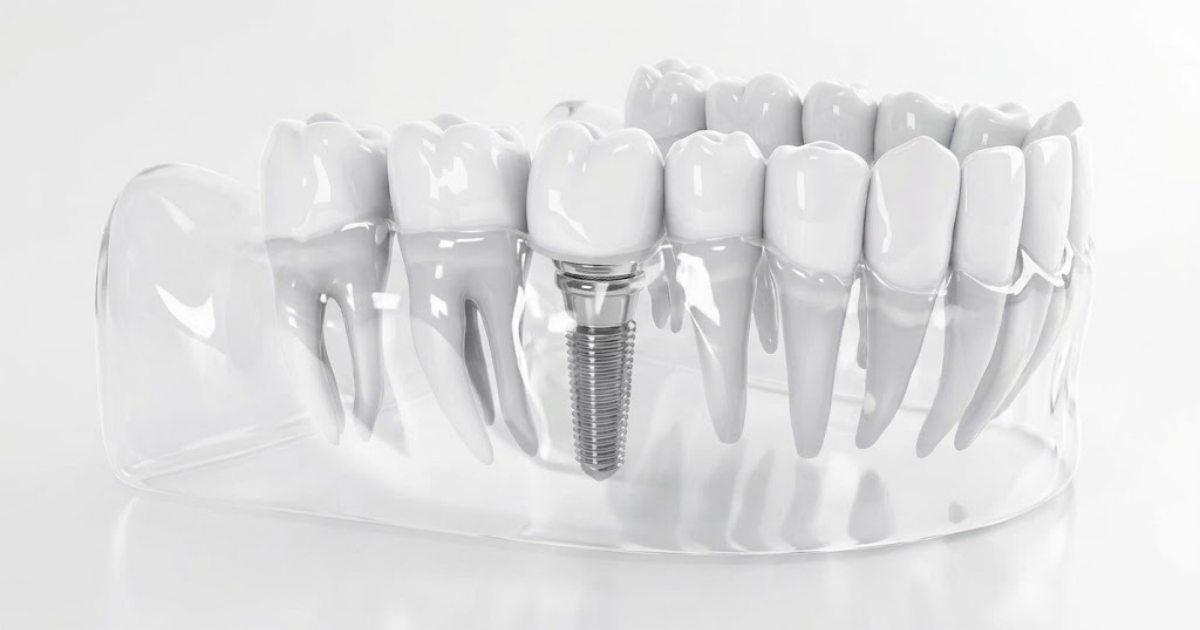
A dental implant is not a tooth. It is a small screw shaped post, usually made from titanium, that is placed into the jawbone where the natural tooth root used to sit. Its job is to act as an artificial root and provide a firm base for whatever sits above the gum.
A finished restoration normally has three parts:
- The implant post, which is placed into the jawbone and hidden from view.
- The abutment, the small connector that joins the post to the visible tooth.
- The crown, bridge or denture, which is the part people actually see and chew with.
Some implants are made from ceramic rather than titanium. Denmark Street Dental Practice, a Gateshead based clinic that treats patients searching for Dental Implants Newcastle, states that it offers both titanium and ceramic options, with the choice discussed as part of treatment planning rather than decided in advance.
How a single tooth implant works
A single tooth implant replaces one missing tooth using one post, one abutment and one implant crown. The main appeal is independence. Unlike a conventional bridge, which often relies on the teeth either side for support, a single implant stands on its own and leaves healthy neighbouring teeth untouched.
Once the post has been placed, the surrounding bone gradually grows against its surface and holds it firmly. This biological process is called osseointegration. It is the reason implant treatment cannot be rushed, because the post needs to be genuinely stable before a crown is fitted on top of it.
An implant-supported tooth is fixed. It is not removed for cleaning, and it is designed to feel and function much like a natural tooth. That said, it is still an artificial restoration and needs looking after just as carefully as the teeth around it.
Who may be suitable for implant treatment
Having a gap does not automatically mean implants are the right answer. Suitability depends on several things considered together, rather than any single factor.
Dental teams generally look at:
- Gum health: Active gum disease usually needs assessing and bringing it under control first, since the tissues around an implant can become inflamed in a similar way to those around natural teeth.
- Bone quantity and quality: The post needs enough healthy bone to sit in. Where bone has shrunk after tooth loss, a bone graft may be discussed to build up the site before placement.
- General health: Conditions such as diabetes, osteoporosis and ongoing cancer treatment may influence planning and healing. These are reasons for careful assessment rather than automatic refusal.
- Smoking: Stopping smoking is widely recommended by NHS sources, as smoking is linked with a higher risk of complications around implants.
- Commitment: Treatment involves several appointments spread over months, so willingness to attend reviews matters.
Denmark Street Dental Practice describes its ideal candidates as people with good oral and general health, reasonable bone quality, and the motivation to see a longer treatment plan through. The practice also offers a free missing teeth consultation so options can be talked through before anyone commits to anything.
What the treatment involves step by step
Anyone researching Dental Implants Newcastle should expect a sequence of appointments rather than a single visit.
- Consultation and examination: The clinician checks the gap, the gums, the bite and the remaining teeth, and reviews medical history and medicines.
- Imaging: X-rays, and sometimes three dimensional scans, are used to look at bone levels and nearby anatomy such as nerves and sinuses.
- Treatment planning: Good planning starts with where the final crown needs to sit, then works backwards to decide where the post should go.
- Preparatory treatment if needed: This may include removing an unrestorable tooth, treating gum disease, or carrying out a bone graft.
- Implant placement: The post is placed into the jawbone under local anaesthetic.
- Healing: The bone integrates with the implant surface over several months.
- Abutment and crown: Once the implant is stable, the connector is fitted and the custom made crown is attached, then checked for fit, bite and appearance.
Some patients are given a temporary tooth while healing takes place, particularly when the gap is towards the front of the mouth. Whether this is possible depends on the site and the surgical plan.
How long does it take
There is no single answer, and honest clinics will say so. UK hospital and dental sources commonly quote anywhere from around three to nine months from start to finish, with some cases taking longer than a year where healing is slow or extra procedures are involved. Denmark Street Dental Practice publishes a recovery phase of roughly four to eight months as part of its own treatment description.
Timelines stretch for understandable reasons:
- An extraction site may need to heal before placement.
- Bone grafting can add several months of healing on its own.
- The crown is made in a laboratory, which takes additional time.
- The final restoration is only fitted once the implant is judged stable.
Recovery and aftercare
Most people manage the surgical stage better than they expect. Some soreness, swelling and mild bruising are common in the first few days, and clinics normally give advice on soft foods, painkillers and cleaning around the area.
Longer term care is where the real work sits. Daily brushing and cleaning between the teeth, including around the implant crown, helps keep the gum healthy. Regular check ups and hygiene visits allow the team to monitor the gum, the bone level and the components themselves. Poor cleaning can lead to inflammation around the implant, and in more advanced cases bone loss, which is why maintenance is treated as part of the treatment rather than an optional extra.
How long do implants last
Implants have a strong track record. Large long term studies report survival rates above ninety per cent well beyond ten years. NHS trust information describes them as long lasting replacements for tooth roots when properly maintained.
Two points deserve attention. First, survival of the post is not the same as the crown lasting forever. Crowns can chip, screws can loosen, and cemented restorations can occasionally come away. These are usually repairable issues rather than failures of the implant itself. Second, longevity is tied to care. No responsible clinician can promise a lifetime result.
Risks worth knowing about
Implant treatment is generally predictable, but complications do occur. The recognised ones include:
- Failure of the implant to integrate with the bone.
- Infection or inflammation of the gum around the implant.
- Peri-implantitis, where bone is lost around the post.
- Loosening of screws or abutments.
- Chipping or loss of the crown.
- Site specific risks near nerves or sinuses, which is why imaging and planning matter.
A good consultation covers these openly, along with what would happen if a problem arose.
Alternatives to consider
Implants are one option among several for replacing missing teeth.
- A bridge fills the gap using support from adjacent teeth. It avoids surgery, but may involve preparing healthy teeth.
- A removable denture can replace one or several teeth and may suit those who cannot have surgery or prefer a simpler route.
- Doing nothing is occasionally reasonable for a back tooth, though the bite and neighbouring teeth should be monitored.
What influences the price
No clinic can quote accurately without an examination. The main variables include the number of implants, the type of restoration, the materials chosen, the complexity of the case, and whether bone grafting or a sinus lift is needed. Implants generally cost more than bridges or dentures, and any written plan should set out what is included.
Verdict
Anyone comparing providers of Dental Implants Newcastle would do well to ask a few direct questions: who is placing the implant, what alternatives were considered, what happens if the implant fails, and what maintenance will be needed year on year. Clear answers are a good sign.
Implants suit many people very well, but they work best when the mouth is healthy, expectations are realistic and aftercare is taken seriously. A proper assessment remains the only reliable way to find out whether an implant is the right choice for a particular gap.